
In today’s fast-paced digital age, having a website is no longer a luxury; it’s a necessity. For small businesses aiming to grow and compete effectively, a well-designed website is the foundation of their online presence. This article will explore why a website is essential for small businesses and how it contributes to business development. We’ll also provide practical business ideas and actionable steps to get started.
The Importance of a Website for Small Businesses
1. First Impressions Matter
In the digital world, your website is often the first interaction customers have with your business. A professional, easy-to-navigate website builds trust and credibility.
- Keyword Focus: importance of web
- Example: Imagine a potential customer searching for “custom cakes near me”—a professional website can make your business stand out instantly.
2. Increased Visibility with SEO
A website optimized for search engines ensures that your business appears in local search results. Local SEO can connect you with nearby customers looking for your services.
- Keyword Focus: small businesses, business development
- Fact: 46% of all Google searches are for local businesses.
3. Cost-Effective Marketing
Compared to traditional advertising, a website offers affordable, 24/7 promotion of your products and services. Coupled with a blog, it becomes a powerful tool for sharing business ideas and attracting traffic.
4. Expanding Market Reach
A website breaks geographical barriers. Your products or services become accessible to customers beyond your locality.
- Example: By integrating e-commerce, a small boutique can start selling nationwide or even internationally.
5. Strengthening Customer Engagement
With features like contact forms, live chats, and email subscriptions, your website can engage customers and keep them coming back.

Key Features Every Small Business Website Should Have
1. Mobile-Friendly Design
With over 50% of web traffic coming from mobile devices, a responsive website is non-negotiable.
2. Easy Navigation
Organized menus and intuitive layouts ensure visitors find what they need quickly.
3. Clear Call-to-Actions (CTAs)
Encourage visitors to take action—whether it’s booking a service, making a purchase, or contacting you.
4. Social Media Integration
Linking your social media accounts boosts visibility and customer interaction.
How Websites Drive Business Development
1. Showcasing Your Unique Selling Proposition (USP)
Your website allows you to highlight what sets your business apart—be it quality, affordability, or innovation.
2. Data-Driven Decisions
Analytics tools integrated into your website provide insights into customer behavior, helping you make informed decisions.
3. Building Brand Loyalty
Regular updates, blogs, and personalized content create a loyal customer base.
4. Facilitating Partnerships
A professional website can attract collaborations and partnerships, expanding your business network.
Step-by-Step Guide to Creating a Website
1. Choose the Right Domain Name
Keep it simple, memorable, and relevant to your business.
2. Select a Reliable Hosting Provider
Opt for a provider that offers speed, security, and scalability.
3. Use a Website Builder or CMS
Platforms like WordPress, Wix, or Shopify make website creation accessible, even for beginners.
4. Optimize for SEO
Use relevant keywords (like businessideas, website important) in titles, meta descriptions, and content to rank higher on search engines.
5. Regularly Update Your Content
Fresh, relevant content keeps your website engaging and boosts SEO.

Real-Life Success Stories
1. A Local Bakery’s Digital Transformation
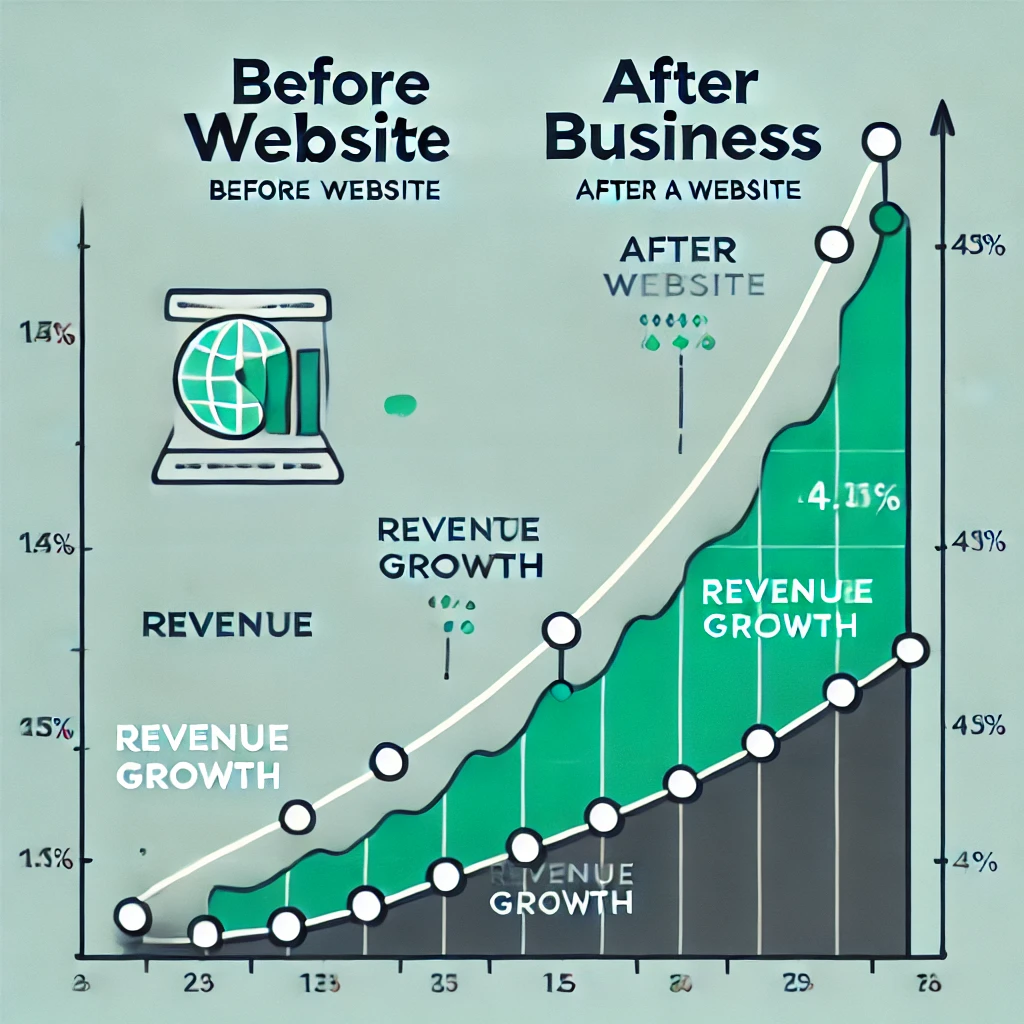
A small-town bakery used a simple website and Instagram integration to expand its reach. Within months, orders doubled.
2. Mobile Repair Shop Goes Digital
A local repair shop created a website showcasing their services and used local SEO. The result? A steady increase in foot traffic and online inquiries.